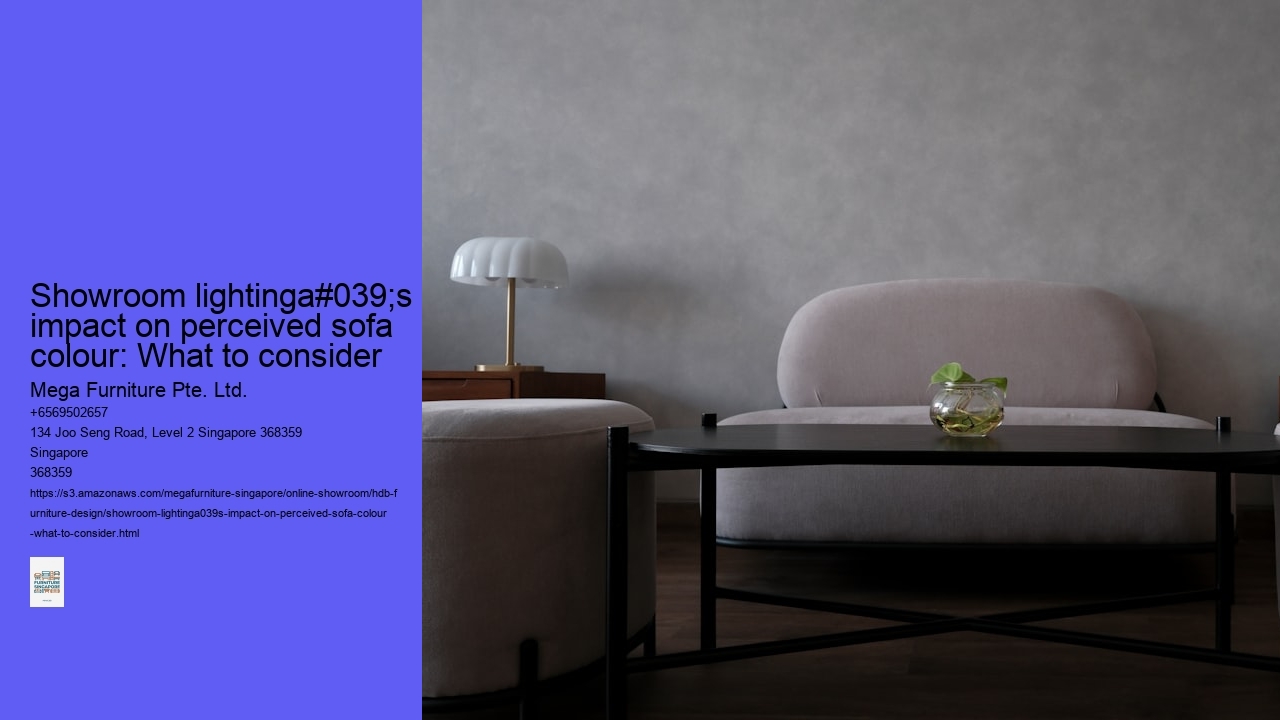
Walk into any of those cavernous warehouse showrooms along Sungei Kadut, and the first thing you notice isn’t the sofa—it’s the light. A uniform wash of warm, 3000K spotlights bathes every piece, casting a cosy glow that makes even the most clinical grey fabric look inviting. That’s the problem. The colour you see under those lamps isn’t the colour you’ll get in your flat.
It’s a particular trap for anyone trying to coordinate with a specific palette. That cool, slate grey linen you loved under the showroom spots? In your HDB living room with its neutral walls and teak flooring, it can read as a dull, muddy taupe. Warm lighting adds a yellow-orange cast that subtly shifts every hue, making blues greener, greys browner, and whites creamier. You think you’re picking a crisp, modern neutral, but you’re actually selecting something that will clash with the cooler daylight streaming through your windows.
The effect is most pronounced in those vast, single-level spaces where lighting is designed for ambience, not accuracy. They want you to feel the sofa’s comfort, to imagine it in a warm, welcoming home—not to scrutinise its true colour against your existing tiles or laminate. So you fall for a fabric that seems to harmonise, only to find it fights with your chosen finishes once it’s delivered. The only time this isn’t a major concern is if your entire flat’s lighting scheme is similarly warm; then the showroom preview is actually quite accurate. But for most HDBs with mixed lighting—daylight, cooler LED strips in the kitchen, maybe a warmer pendant in the dining area—that showroom snapshot is a lie.
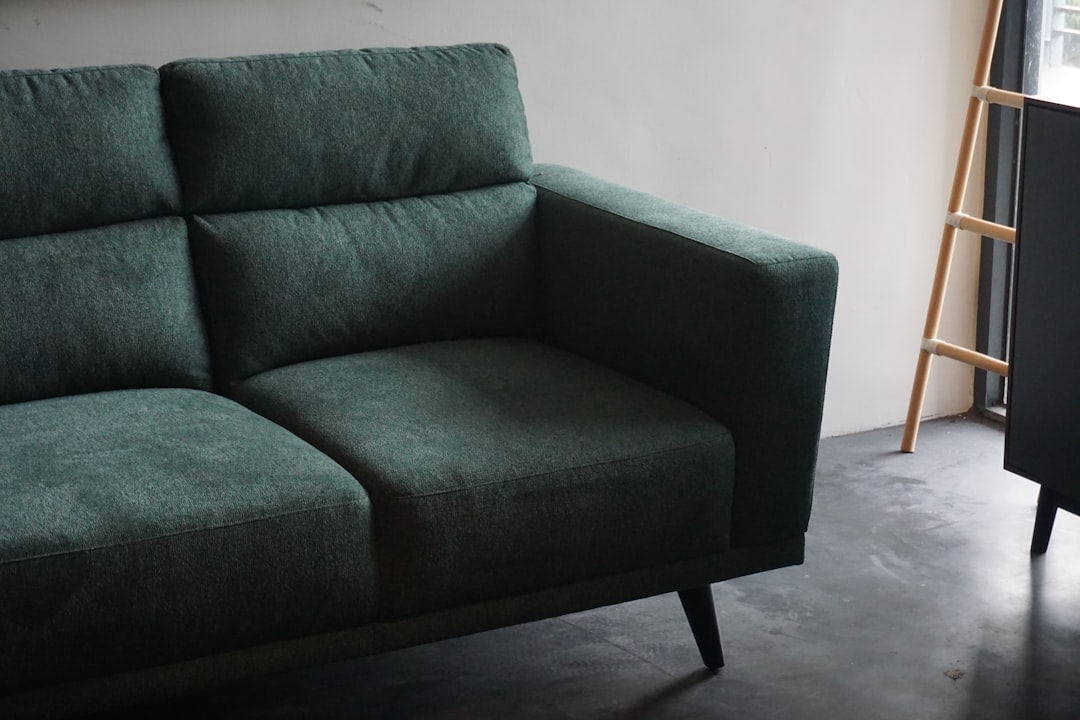
What to do? Always ask to see a swatch or a smaller cushion in a different part of the showroom, preferably near a window or under a cooler, white light if they have one. If they can’t move the piece, take the fabric sample outside into natural daylight for a minute. That’s the colour you’ll live with, not the one artificially warmed under the spotlights. It’s a simple check, but one that saves the sian feeling of a colour mismatch that you only discover after the sofa is sitting in your living room, looking utterly different from what you chose.
That cool grey you loved under the showroom’s soft glow can look washed out and tired in the harsh afternoon sun. Showrooms are designed to sell—their lighting is uniform, flattering, and cool, a controlled environment that hides how a fabric will truly live in your home. For anyone considering a west-facing unit, especially those in Tampines or Bedok where the late-day exposure is particularly strong, this illusion is a real risk.
You’ll want to take fabric swatches home. Don’t just look at them indoors; place them in the spot where your sofa will sit and observe them around 4pm. That’s when the sun hits hardest, bleaching colours and revealing textures you might not have noticed. A beige that seemed warm and neutral can suddenly appear stark and clinical, a rich navy might lose its depth and look flat. This test is non-negotiable for west-facing condos—the difference isn’t subtle.
The exception? If you’re buying a sofa for a room that never gets direct sun, like a north-facing common bedroom in a 4-room BTO, you can probably skip this step. But for that main living area, where you’ll spend most evenings, you need to see how the colour holds up under the day’s final, most intense light. It’s about matching the mood board to the reality of your own flat, not the retailer’s perfectly staged environment.
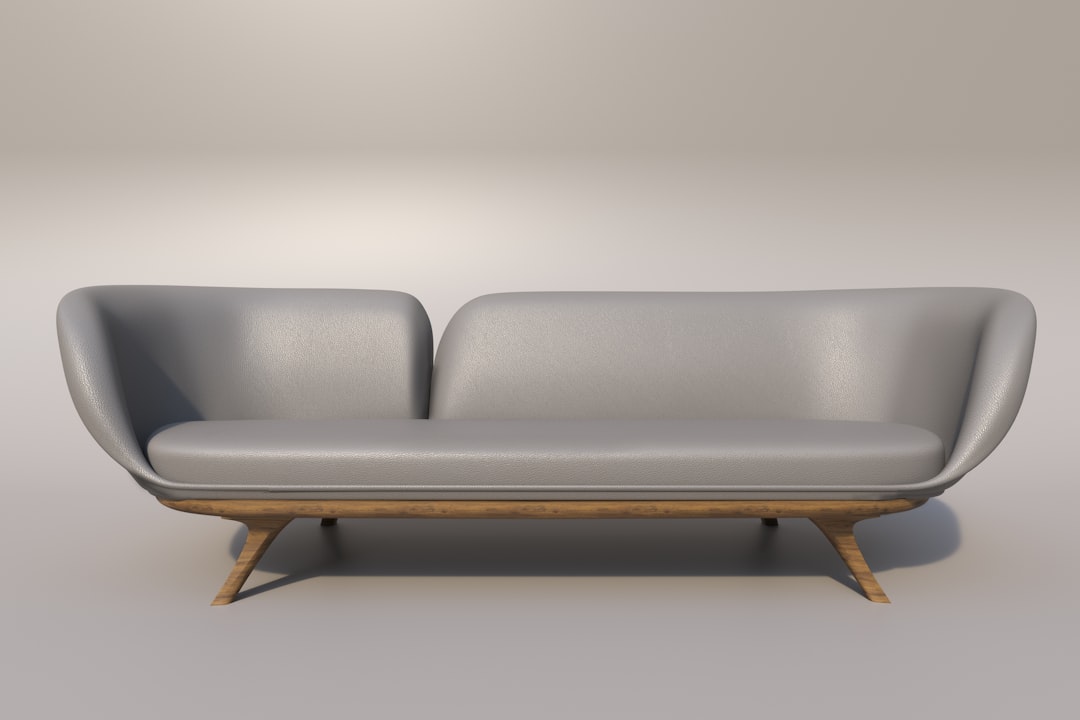
What many buyers don’t realise is that this light also affects perceived texture. A performance fabric like Crypton might still look crisp, but a looser weave or a bouclé can appear frayed or dusty under that glare. It’s a double-check on both colour and material suitability, something you simply cannot gauge in a showroom under artificial lights.
So make it part of your buying ritual. Get the swatches, bring them home, and wait for the sun. That afternoon reveal will tell you more about a sofa’s long-term look than any hour spent in a showroom.
That crisp 4000K LED light you see in many modern lobbies and BTOs isn't just bright—it's clinically cool. This colour temperature sits in a neutral white zone that leans towards blue, not warmth. It's efficient and gives a clean, modern feel to a space, which is why developers and interior designers often pick it for common areas. But this very efficiency comes with a visual cost, especially when it falls on rich, dark fabrics. The cool spectrum doesn't complement deep hues; instead, it starts to fight them. You'll notice the light doesn't seem to settle into the material but rather skims across the surface.
Premium fabrics like velvet rely on their texture to create visual depth, a sense of layers and shadow that makes the colour feel luxurious. Under warm light, navy or charcoal can look like a deep pool, with highlights and lowlights that give it a three-dimensional quality. Cool 4000K LEDs flatten that out completely. They wash over the surface evenly, reducing the contrast between the peaks and valleys of the weave. What you get is a uniform sheet of colour that looks flat, almost printed on. That lovely, expensive texture that should invite you to touch it just disappears under this light.
The actual colour you perceive changes dramatically. A sofa that is a true, rich navy in balanced daylight can appear almost greyish or washed-out blue under these cooler bulbs. Charcoal, which should have a soft, smoky depth, might look like a flat, dull black. This isn't a minor difference—it's a fundamental shift in how the piece presents itself. You're not seeing the colour the designer intended or the colour you paid for. In a showroom lit this way, a sofa that costs over two thousand dollars can visually downgrade to something that looks mid-range. That's a big disconnect between price and perceived value.
This creates a specific risk when you're shopping in person. Many large, warehouse-style outlets in areas like Sungei Kadut or Defu Lane use this kind of efficient, cool lighting throughout their vast spaces. You walk in, see a stunning navy velvet sofa on display, and the colour looks okay but maybe a bit lifeless. You might think it's just the fabric or even your eyes. The truth is the lighting is working against the material. You could end up buying a premium piece based on comfort and dimensions, only to get it home and realise the colour is completely different—and much richer—in your own living room's warmer light. That's a nasty surprise after spending so much.
So what can you do? Always try to view the sofa in a different light if possible. Ask if there's a display area near a window or under a warmer spotlight. If the showroom lighting is uniformly cool, take a swatch or even a photo and step outside into natural daylight to check the true colour. Better yet, bring a sample home. See how that charcoal or navy looks under your own ceiling lights, which are likely warmer, around 2700K to 3000K. That's the colour you'll live with every day. If the showroom can't provide a sample, that's a red flag for a high-stakes purchase. Don't commit to a colour you've only seen under light that makes it look cheaper.
You can spend weeks scrolling through listings, but a sofa's true feel only reveals itself when you're sitting on it. That's why the showroom trip is a non-negotiable step for any serious purchase, especially when you're looking at pieces that cost a few thousand dollars. Online photos flatten texture and hide the subtle colour shifts that happen under different lights, a detail that becomes painfully obvious after delivery when your living room's afternoon sun makes that grey look blue. The Joo Seng and Tampines showrooms are built for this kind of hands-on verification, with distinct lighting zones that mimic the conditions in your own flat—from the bright overheads of a new BTO to the softer, ambient glow of a resale living room.
Go there and spend time just sitting. Feel the fabric weave under your fingers; a bouclé that looks cosy online can feel surprisingly rough against bare skin, while a performance fabric advertised as stain-resistant might have a slick finish you dislike. Test the seat depth—a sofa that looks generous in a warehouse photo might be too deep for your legs, leaving you slumped. You'll want to check the cushion density too, pressing down to see if it springs back quickly or sinks slowly, a simple test that tells you how long it'll hold its shape against daily use. These are things you cannot gauge from a screen.
The same principle applies to their in-house mattress line. Firmness ratings are subjective; a "medium-firm" label means little until you lie on it. You can assess the support across your back and whether the surface padding suits your preferred sleeping position, a crucial check before committing to something that'll be used every night for years. It's about eliminating the guesswork that leads to expensive regrets.
Some might argue that a quick online order saves time, and for a small accent chair, that's fine. But for a major piece like your main sofa or bed, where comfort and fit are paramount, skipping the physical test is a gamble. The trip out to a showroom, whether in Joo Seng or Tampines, is a small investment that pays off in confidence. You'll know exactly what you're getting, and you'll avoid the sian moment of receiving a piece that just doesn't feel right in your home.
The biggest shock isn't a sofa that feels different at home—it's a colour that looks completely wrong. You pick a grey in the showroom, then it looks blue in your living room. That's the real headache.
Does grey sofa look blue in showroom light? It can, especially under those bright, cool-toned LEDs many showrooms use. They're designed to make everything look crisp and vibrant, which can pull out undertones you wouldn't see under your home's warmer lights. A grey with a slight green or blue base will absolutely shift.
How to check sofa colour in HDB corridor light? Take a swatch or a cushion sample outside. The corridor's natural light—usually filtered and indirect—is closer to what you'll get inside your flat. It's a decent middle ground between the showroom's artificial glare and your living room's lamps.
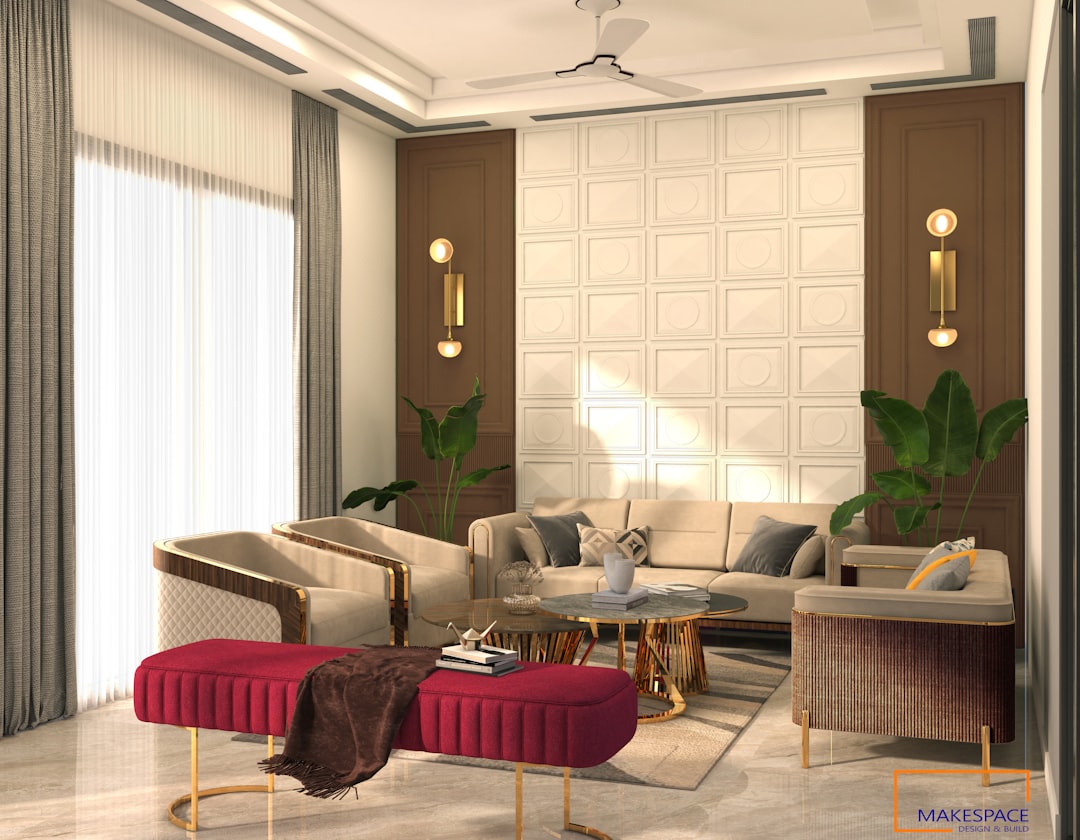
Will my cream sofa look yellow under warm white LED? Yes, it will lean warmer. That's not a bad thing if you want a cosy feel, but if you were aiming for a crisp, neutral cream, it might disappoint. Warm white bulbs enhance yellow and beige tones, so a cream fabric can end up looking decidedly buttery.
Sofa colour changes from showroom to home, why? Lighting is the main culprit, but your wall colour and existing furniture play a part too. A grey sofa against a beige wall will read differently than against a white one. The only real way to know is to see the material in your own space—some retailers offer sample swatches, and that's worth asking for lah.
You’ve seen it in the showroom, you’ve tested the cushion firmness, you’ve even measured the length to confirm it fits your 4-room BTO living room layout. But that colour you fell for under the bright, cool-white display lighting? It’s a gamble until you bring it home.
Insist on taking a large fabric sample—a proper swatch, not a tiny square—back to your flat for a full 48 hours. Place it on your existing sofa or hang it near a window. Then watch it through the rhythms of a typical Singapore day. That rich navy you loved at IMM might read as a dull grey under the gloomy afternoon light of a December monsoon shower. The warm beige that felt so inviting in a Sungei Kadut warehouse could turn stark and clinical under your own LED ceiling lamps at night.
This step is non-negotiable for any fabric over a couple thousand dollars, because showroom lighting is engineered for appeal, not accuracy. The only time I’d skip it is if you’re re-upholstering an existing piece and you already know how that material behaves in your space—otherwise, you’re trusting a sales environment that doesn’t match your reality. Don’t just glance at the sample; observe it at dawn’s soft natural light, during a rainy afternoon’s flat gloom, and under your own evening artificial lights. That’s how you’ll know if the taupe really has a green cast or if the cream will feel too sterile.
You’ll save yourself the sian moment of delivery day, when the sofa arrives and the colour just doesn’t look right in your home. It’s a simple, final verification, but it’s the one that locks in your confidence before you hand over the deposit.